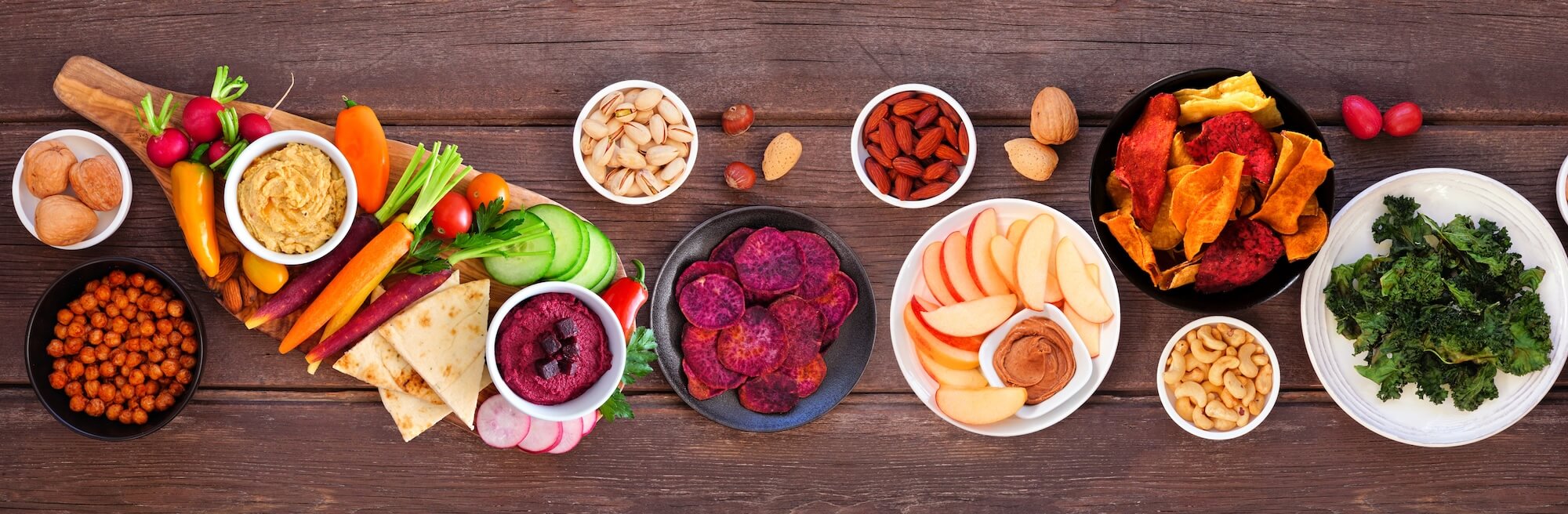
Healthy Snacks for Older Adults: Smart Senior Nutrition Tips
Healthy snacking can play an important role in senior nutrition. For many older adults, eating smaller meals and nutrient-dense snacks throughout the day can help support energy, hydration, strength, and weight maintenance. The best snacks for seniors? Those that are easy to eat, rich in protein or fiber, and suited to personal health needs, such as low sodium, low sugar, or softer textures, top the list.
As we age, our bodies and appetites change. Some older adults eat less because food tastes different, chewing becomes more difficult, or medications affect how hungry they feel. Others may need to manage chronic conditions that call for more thoughtful food choices. That is why smart snacking is not just about curbing hunger. It is about helping the body get the nutrients it needs in a simple, manageable way.
In this article, we’ll explore the nutrients older adults should pay close attention to, what makes a snack truly healthy, and practical snack ideas that are both nourishing and enjoyable.
Key Takeaways
- A few well-chosen snacks each day can make a real difference in a senior’s overall nutrition.
- A healthy snack should include one or more key nutrients, such as protein, fiber, calcium, healthy fats, and water-rich foods.
- Smart snack selection can help address seniors’ nutritional concerns, such as low appetite, difficulty chewing, salt/sugar intake, and weight management.
- Looking for ideas? Find our list of 20 healthy snack ideas for older adults, with tips for making snacking easier.
- Assisted living communities can provide vital support for seniors’ daily nutritional and care needs, enabling older adults to maintain a healthier, independent lifestyle.
Why Healthy Snacking Matters for Older Adults
For older adults, snacks can do more than fill the gap between meals. They can help:
- Support steady energy throughout the day
- Prevent unintentional weight loss
- Add calories and nutrients when appetite is low
- Make it easier to meet protein, fiber, and hydration needs
- Reduce the urge to reach for foods high in sugar, salt, or saturated fat
Healthy snacks are especially helpful for seniors who prefer smaller portions or find it difficult to eat large meals. A few well-chosen snacks each day can make a real difference in overall nutrition.
What Makes a Healthy Snack for Seniors?
A healthy snack for older adults usually includes one or more of these elements:
- Protein to help maintain muscle
- Fiber to support digestion and heart health
- Calcium and Vitamin D for bone health
- Healthy fats for brain and heart support
- Fluids or water-rich foods to help prevent dehydration
A good rule of thumb is to pair foods for better balance. For example, combine a protein with a fruit, a whole grain with healthy fat, or a dairy food option with fiber-rich produce.
Key Nutrients Older Adults Should Prioritize
Let’s take a look at a few key nutrients seniors should consider when prioritizing healthy snacks.
Protein for strength and muscle support
Protein becomes even more important with age because the body is less efficient at building and maintaining muscle. Protein-rich snacks can help support strength, mobility, and recovery, all of which are critical to preserving independence.
Good snack sources of protein include:
- Greek yogurt
- Cottage cheese
- Eggs
- Tuna or salmon
- Hummus
- Edamame
- Nuts and seeds
- Low-sodium jerky
Calcium and vitamin D for bone health
Bone health is a major concern for many older adults. Calcium and vitamin D work together to help maintain bone strength and lower the risk of fractures.
Try snacks such as:
- Yogurt
- Cheese
- Fortified cereal
- Fortified milk or plant-based milk
- Hard-boiled eggs
- Salmon on whole-grain crackers
- Dairy-based fruit smoothies
Fiber for digestion and heart health
Fiber supports regular digestion and can also help manage cholesterol and blood sugar. Since constipation becomes more common with age, fiber-rich snacks can be especially helpful.
Smart choices include:
- Oatmeal with berries (opt for old-fashioned rolled oats or steel-cut oats for the most benefits)
- Whole-grain crackers
- Apple slices with peanut butter
- Roasted chickpeas
- Popcorn
- Dried fruits, such as prunes or dates
- Nuts and seeds
Omega-3s for brain and heart health
Omega-3 fatty acids support heart health and may also benefit brain and eye health.
Snack ideas with omega-3s include:
- Tuna or sardines on crackers
- Walnuts
- Chia seeds in smoothies or yogurt
- Flaxseed mixed into cottage cheese or oatmeal
Vitamin B12, iron, potassium, and magnesium
These nutrients support energy production, red blood cell creation, nerve function, and healthy muscles.
Foods that can help include:
- Fortified cereals
- Dairy foods
- Beans and lentils
- Leafy greens
- Bananas
- Potatoes
- Nuts
- Seeds
Hydration for energy and focus
Older adults are at higher risk for dehydration, which can contribute to fatigue, dizziness, confusion, and urinary tract infections, which can often result in hospitalization for many seniors. Thankfully, snacks can help with hydration, too.
Hydrating choices include:
- Melon
- Cucumbers
- Yogurt
- Smoothies
- Soup or broth
- Tea
- Water-rich fruits (Strawberries, citrus fruits, peaches, pineapple, etc.)
Choosing Snacks to Meet Changing Health Needs
Not every older adult has the same nutritional needs, so the best snacks are often those that match personal preferences and health concerns. Preferences aside, let’s take a look at a few common nutrition concerns seniors experience and snack strategies that can help.
Nutrition concern: Low appetite
Choose small snacks that offer more nutrition in a few bites, such as:
- Greek yogurt with fruit or frozen Greek yogurt bars
- Smoothies with yogurt, nut butter, and frozen fruit
- Cheese and whole-grain crackers
- Avocado toast
- Trail mix with nuts, seeds, and dried fruit
Nutrition concern: Difficulty chewing
Softer foods may be easier and more enjoyable to eat, including:
- Cottage cheese
- Yogurt
- Oatmeal
- Smoothies
- Hummus
- Soft fruit like peaches or pears
- Mashed avocado
- Whole-grain muffins
- Scrambled eggs with spinach
Nutrition concern: Limiting sodium or sugar
Look for minimally processed foods and read labels when possible. Good options include:
- Raw and unsalted nuts
- Fresh fruit
- Plain yogurt with berries
- Raw vegetables with hummus
- Low-sodium tuna
- Homemade snack mixes
Nutrition concern: Weight management
Choose snacks with both calories and nutrients, such as:
- Nut butter with apple slices
- Trail mix with nuts and dried fruit
- Full-fat yogurt if appropriate
- Cheese with whole-grain crackers
- Smoothies with Greek yogurt and chia seeds
Before making major diet changes, it’s always wise to speak with a doctor or registered dietitian, especially if there are medical conditions, swallowing concerns, or medication interactions involved.
20 Healthy Snack Ideas for Older Adults
Here are practical snack ideas for seniors that combine nutrition, flavor, and convenience:
- Tuna on whole-grain crackers and/or cucumber slices
- Cheese cubes with grapes or pear slices
- Hard-boiled eggs
- Greek yogurt with berries
- Homemade granola with oats, nuts, and seeds
- Raisins or prunes in small portions
- Orange slices with a few pieces of dark chocolate
- Smoothies with spinach, Greek yogurt, chia seeds, and frozen fruit
- Edamame with a light sprinkle of seasoning
- Roasted chickpeas
- Hummus with soft pita or sliced vegetables
- Avocado on whole-grain toast
- Guacamole with baked tortilla chips
- Baked apple slices with cinnamon
- Frozen banana slices
- Walnuts or almonds
- Whole-grain popcorn
- Apple slices with natural peanut butter
- Oatmeal topped with blueberries
- Cottage cheese with flaxseed and cinnamon
Simple Tips to Make Healthy Snacking Easier
Healthy snacking works best when it is easy to maintain as a daily habit. Here are a few small tips that can help:
Keep convenient options on hand
Store ready-to-eat foods where they are easy to reach, such as washed fruit, single-serve yogurt, string cheese, or portioned nuts.
Pair foods for better nutrition
Combining protein, fiber, and healthy fats can help a snack feel more satisfying. For example:
- Fruit + nut butter
- Yogurt + berries
- Crackers + tuna
- Cottage cheese + flaxseed
Plan for medications and mealtimes
Some medications can affect appetite, digestion, or nutrient needs. A simple snack schedule may help older adults eat more consistently during the day.
Make snacks enjoyable
Taste matters. So does texture. When snacks are appealing, older adults are more likely to eat them regularly. Variety can help prevent food fatigue and support better nutrition over time.
The Cambridge: A Caring Approach to Senior Nutrition
Healthy snacking is not about perfection. It is about finding simple, nourishing foods that work for your body, your routine, and your health needs. For older adults, a thoughtful snack can support energy, strength, hydration, and comfort throughout the day.
If you or a senior loved one could benefit from extra support with nutrition, daily routines, or overall wellness, it can be helpful to have trusted guidance close by. At The Cambridge, we believe well-being includes the small daily choices that help older adults feel their best. Our assisted living, memory care, and respite stay options can provide a comprehensive caring approach to senior nutrition.
Our team members partner with residents and their families to help them achieve their healthy living goals—which can include reminders for mealtimes, taking medication, staying hydrated, and more.
Looking for more helpful insights? Explore our blog for additional senior health and lifestyle resources. If you’d like to learn more about life at The Cambridge, contact our team or schedule a tour of one of our communities.


