The Heartfelt Difference Fiber Can Make in a Senior’s Diet
As we age, our bodies change, and so do our nutritional needs. For seniors, maintaining a balanced diet is about more than just staying healthy—it’s about living a worry-free lifestyle where they can truly thrive. One of the most impactful yet often overlooked components of a senior’s diet is fiber.
Fiber isn’t just about digestion; it’s a key to unlocking better health, more energy, and greater peace of mind for both seniors and their families. Let’s explore how fiber supports a vibrant, active life, the best ways to incorporate it into daily meals, and how small changes can make a heartfelt difference in your loved one’s well-being.
Why Fiber Matters: A Foundation for Thriving Health
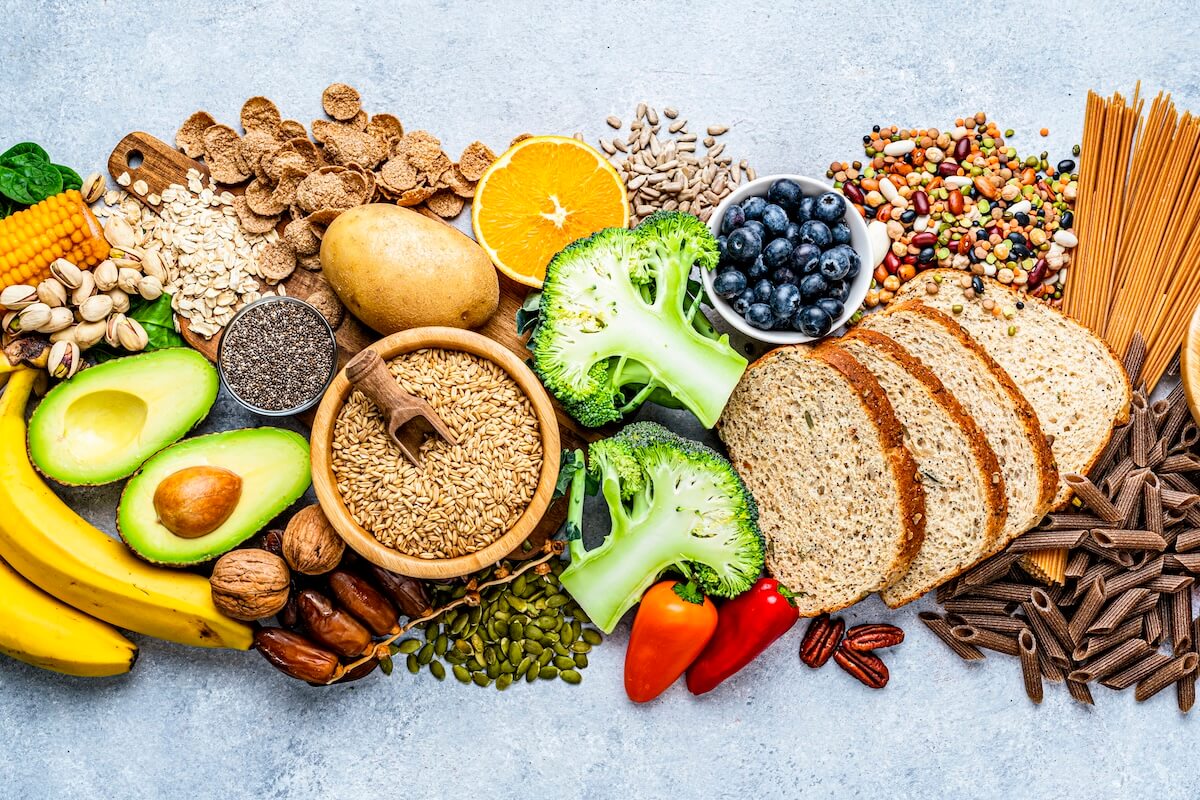
Fiber is a nutritional powerhouse found in wholesome foods like fruits, vegetables, beans, whole grains, nuts, and seeds. For men over 50, the goal is 30 grams of fiber per day, while women in the same age group should aim for 21 grams. But beyond the numbers, fiber plays a vital role in helping seniors feel their best every day.
- A Heartfelt Boost for Heart Health: Heart disease is a common concern for aging adults, but fiber can help ease those worries. Soluble fiber, found in foods like oats, barley, beans, almonds, and walnuts, works to lower cholesterol levels naturally. By including these foods in your loved one’s diet, you’re helping to protect their heart and support a worry-free lifestyle.
- A Partner in Cancer Prevention: Fiber also plays a role in reducing the risk of certain cancers, such as colorectal cancer. By keeping the digestive system running smoothly, fiber helps remove waste efficiently, which can lower the risk of harmful buildup in the body.
- Support for Managing Diabetes: For seniors living with diabetes, fiber is a trusted ally. It slows the breakdown of nutrients, allowing glucose to enter the bloodstream gradually. This helps stabilize blood sugar levels, making it easier to manage diabetes and enjoy life with confidence.
- A Natural Solution for Digestive Comfort: Constipation and hemorrhoids are common challenges as we age, but fiber offers a simple, natural solution. By keeping waste moving through the digestive system, fiber promotes regularity and overall gut health, helping seniors feel more comfortable and at ease.
- The Weight Management Secret: Maintaining a healthy weight can feel like a challenge, but fiber makes it easier. High-fiber foods are often lower in calories but more filling, meaning your loved one will feel satisfied for longer. This can help curb overeating and support a balanced, healthy lifestyle without the stress of restrictive diets.
Daily Meals: Incorporating Fiber Without a Fuss
Incorporating fiber into daily meals doesn’t have to be complicated or boring. In fact, it’s an opportunity to enjoy a variety of delicious, wholesome foods. Below are a few options for including fiber-rich foods in your daily routine.
Nutritious, fiber-rich options to consider:
- Whole Grains: Oatmeal, whole wheat bread, brown rice, and quinoa are excellent staples. Check for whole grains when purchasing store-bought breakfast options, snacks, and bakery items, such as bagels, pancake mix, popcorn, or granola bars.
- Fruits and Vegetables: Apples, berries, oranges, carrots, broccoli, and leafy greens are packed with fiber and nutrients.
- Beans and Legumes: Chickpeas, kidney beans, lentils, and black beans are versatile and satisfying. Mixed with whole grains and roasted veggies, they can really pack a punch, offering even more benefits.
- Nuts and Seeds: Almonds, walnuts, chia seeds, and flaxseeds make great snacks or meal additions. Look for granola options that contain these superfoods or incorporate them into homemade muffins or trail mix.
Simple Ways to Add Fiber to Everyday Meals
Making fiber a regular part of your loved one’s diet doesn’t require a complete overhaul. Small, thoughtful changes can add up to a big impact. Here are some easy and practical ideas:
- Start the day with a bowl of whole-grain cereal or oatmeal topped with fresh fruit, chia seeds, sliced almonds, or shaved coconut.
- Choose whole fruits instead of juices for more fiber and fewer added sugars.
- Toss dried fruits and nuts into salads for a satisfying crunch.
- Use whole wheat flour when baking muffins, bread, or pancakes. Add whole oats or ground flaxseeds to mixes when possible.
- Create a trail mix with your favorite nuts, dried fruit, and granola, and store it in an airtight container in the freezer to keep it fresh. Thaw for a few minutes before eating.
- Add beans or lentils to soups, stews, and casseroles for a hearty, fiber-packed boost. Refrigerator salads, with a mix of beans, rice, and vegetables, can be prepared once, refrigerated, and enjoyed throughout the week.
These simple swaps not only increase fiber intake but also add variety and flavor to meals, making healthy eating enjoyable and sustainable.
Tips for Success: Making Fiber Work for Your Loved One
Adding more fiber to a senior’s diet is a wonderful goal, but it’s important to approach it with care to ensure comfort and success. Here’s how to make the transition smooth and effective:
- Start Slowly: Adding too much fiber too quickly can cause bloating or discomfort. Gradually increase fiber intake over a few weeks to give the digestive system time to adjust.
- Stay Hydrated: Fiber works best when paired with plenty of water. Encourage your loved one to drink more fluids throughout the day to keep everything moving smoothly.
- Mix It Up: No single food has all the fiber and nutrients the body needs. Aim for a variety of fiber-rich foods to ensure a well-rounded diet.
- Spread It Out: Instead of trying to meet the daily fiber goal in one meal, include fiber in every meal and snack. This makes it easier to reach the target without feeling overwhelmed.
Fiber may seem like a small detail, but it’s one of the many ways we can help seniors live a healthy life. By incorporating fiber-rich foods into daily meals, you’re not just improving their health—you’re giving them the energy and confidence to enjoy every moment.
Senior Living: Worry-free Dining & Nutritional Support
One of the many advantages of life in a senior living community is the worry-free dining experience. With a full menu of chef-prepared options for all diets and preferences, residents can benefit from a meal plan that meets their unique needs, while also bringing delight, satisfaction, and peace of mind to their family.
Instead of worrying if a loved one is getting enough fiber or other daily nutrients, family members can rest assured knowing their loved one can select from an extensive menu of healthy, nutritious, and nurturing options. They can also rely on the community’s dining services team for support in making healthy choices.
Fiber isn’t just a nutrient; it’s a heartfelt difference-maker in the lives of seniors. With the right approach, it can be a cornerstone of a balanced, fulfilling diet that supports health, happiness, and a truly thriving life.
So why wait? A bowl of oatmeal, a handful of nuts, or a colorful salad could be the first step toward a brighter, healthier future for your loved one.
Senior Health & Wellness at The Cambridge
At The Cambridge, we understand that choosing the right care for your loved one is an important and personal decision. That’s why we’re here to answer your questions, provide guidance, and offer reassurance every step of the way.
Learn more about how we support the health and nutrition needs of our residents, or sample a meal in our dining room to experience our chef’s attention to detail and relationship-centered approach. To schedule a visit to our Smyrna assisted living and memory care community, contact us today or follow our blog for more trusted articles on supporting senior health and well-being.


